How I Tamed My Cholesterol Without Crazy Diets or Pills
Ever feel like your body’s sending warnings you don’t quite understand? Mine did—through a routine checkup that revealed high cholesterol. It wasn’t a crisis, but a wake-up call. I didn’t want to jump straight to medication. Instead, I explored simple, science-backed changes that actually fit real life. What I discovered wasn’t flashy, but it worked. This is how small, consistent steps helped me take control—naturally and sustainably—while staying in tune with my doctor every step of the way.
The Moment Everything Changed
The news came during a regular visit to my primary care provider, the kind of appointment most people schedule without much thought. I had gone in for a standard physical, expecting the usual green-light results: blood pressure in range, weight stable, energy levels acceptable. But when the nurse handed me the lab summary, one number stood out in bold—LDL cholesterol at 160 mg/dL. That was above the recommended threshold. My doctor mentioned it calmly, saying it was something to monitor. Yet, I couldn’t shake the feeling that this was more than just a number. It was a signal, subtle but insistent, that my body needed attention.
At first, I didn’t know how to respond. I wasn’t experiencing symptoms. I didn’t feel ill, tired, or unusually short of breath. But the absence of discomfort didn’t mean everything was fine. I began to wonder: what exactly is cholesterol? Why does it matter? And most importantly, what could I do about it without turning my life upside down? These questions sparked a journey that wasn’t about fear, but about understanding. I realized that high cholesterol isn’t a diagnosis of failure—it’s an opportunity to make better choices before problems arise.
What struck me most was how quietly this condition can develop. There are no alarms, no flashing lights. It builds over time, often influenced by habits so routine they go unnoticed—like grabbing a muffin for breakfast, skipping walks on busy days, or using butter without thinking. I didn’t need a dramatic intervention. I needed awareness, clarity, and a plan that matched the rhythm of my daily life. That realization shifted my mindset from worry to action.
Cholesterol Demystified: What They Don’t Tell You at the Lab
When I first looked at my lab report, the terms felt like a foreign language: total cholesterol, LDL, HDL, triglycerides. I assumed all cholesterol was bad, something to eliminate. But what I learned changed everything. Cholesterol isn’t the enemy—it’s essential. Our bodies use it to build cells, produce hormones, and support brain function. The real issue isn’t cholesterol itself, but the balance between its different forms. Understanding this balance is the first step toward managing it effectively.
Think of LDL (low-density lipoprotein) as delivery trucks moving fat and cholesterol through your bloodstream. When there are too many of these trucks, or when they linger too long, they can leave behind deposits along artery walls. Over time, this builds up into plaque, narrowing the arteries and increasing the risk of heart-related issues. That’s why LDL is often called “bad” cholesterol—it’s not evil, but excessive amounts can cause long-term problems.
On the other side is HDL (high-density lipoprotein), the cleanup crew. It travels through the bloodstream, collecting excess cholesterol and transporting it back to the liver for processing and removal. Higher levels of HDL are associated with better cardiovascular health, which is why it’s known as “good” cholesterol. Then there are triglycerides, another type of fat in the blood. They store unused calories from food. When people consume more energy than they burn—especially from sugars and refined carbs—triglyceride levels rise, adding to the strain on the heart and blood vessels.
The goal isn’t to eliminate cholesterol but to maintain a healthy ratio. Medical guidelines generally recommend keeping LDL under 100 mg/dL for those at risk, HDL above 60 mg/dL, and triglycerides below 150 mg/dL. But these numbers aren’t fixed for everyone. Age, family history, and overall health play roles in determining what’s ideal. The key takeaway? Cholesterol levels are not a life sentence. They are responsive to lifestyle choices, and even modest improvements can significantly reduce long-term risks.
Why Small Shifts Beat Extreme Fixes
After my diagnosis, I saw countless ads promising rapid results: “Lose 30 points in 30 days!” or “Reverse high cholesterol with one神奇 juice!” These claims felt overwhelming and unrealistic. I tried one strict diet for a week—cutting out all fats, avoiding carbohydrates, surviving on salads and steamed vegetables. I lost a little weight, but I was irritable, tired, and constantly thinking about food. Within ten days, I gave up. That experience taught me something important: extreme changes rarely last. The body resists sudden shifts, and the mind resents deprivation.
What works better are small, sustainable adjustments. Research from institutions like the American Heart Association shows that gradual lifestyle modifications—such as walking 30 minutes a day, reducing added sugars, or increasing fiber intake—can lower LDL by 10% to 15% over several months. That may not sound dramatic, but in health terms, it’s significant. A 10% reduction in LDL is linked to a measurable drop in cardiovascular risk over time. And unlike crash diets, these changes don’t require perfection. They fit into real life, even on busy or stressful days.
I began to think in terms of consistency, not intensity. Instead of overhauling my entire kitchen, I started by replacing one snack. I swapped afternoon cookies for a small handful of almonds. I stopped drinking soda and switched to sparkling water with lemon. I began taking short walks after dinner, not for exercise, but to unwind. These weren’t heroic efforts. But they added up. Over time, I noticed I had more energy. My clothes fit better. And when I returned for my next blood test, my LDL had dropped by 18 points. That progress wasn’t from a miracle—it was from repetition.
This concept is sometimes called “metabolic patience.” The body doesn’t change overnight. It adapts slowly, responding to repeated signals. Eating a salad today won’t erase years of habits. But eating salads most days will shift your body’s chemistry over time. This mindset freed me from the pressure to get results fast. I wasn’t chasing a quick fix. I was building a new normal.
My 3 No-Brainer Daily Habits (That Actually Stuck)
I didn’t need a complicated plan. What helped most were three simple habits I could do every day, no matter how busy life got. They didn’t require special equipment, expensive ingredients, or hours of time. And because they were easy to repeat, they became automatic.
The first habit was starting every meal with a fiber-rich food. I began each morning with a bowl of oatmeal made with water or unsweetened almond milk, topped with a few blueberries or sliced banana. Oats contain beta-glucan, a type of soluble fiber that binds to cholesterol in the digestive tract and helps remove it from the body. Studies show that consuming just 3 grams of soluble fiber daily can reduce LDL by 5% to 10% in a few weeks. At lunch and dinner, I made sure to include vegetables—steamed broccoli, roasted sweet potatoes, or a mixed green salad. These small additions didn’t feel like sacrifices. They became part of how I ate.
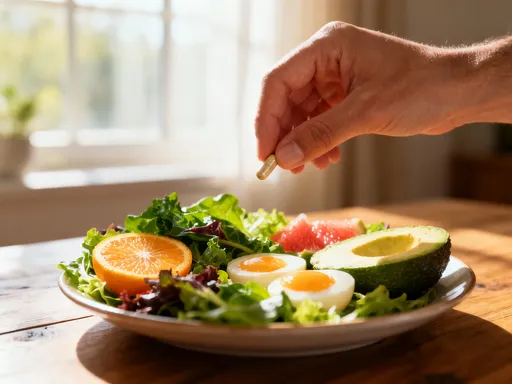
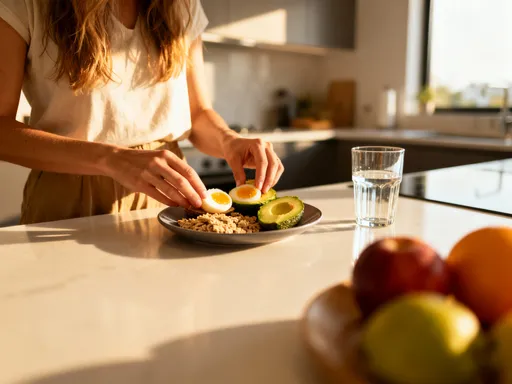
The second habit was replacing one processed food item each day with a whole food alternative. For example, instead of store-bought granola bars filled with sugar and hydrogenated oils, I chose a piece of fruit with a few walnuts. Instead of butter on toast, I used avocado. These swaps weren’t about banning anything. They were about upgrading choices. Whole foods contain natural nutrients, healthy fats, and antioxidants that support heart health. They also tend to be less inflammatory than ultra-processed items, which can worsen cholesterol imbalance over time.
The third habit was moving for at least 20 minutes every day. I didn’t start with intense workouts. I began with walks—around the block, through the park, or even around the house while on phone calls. Physical activity boosts HDL levels and helps the body process fats more efficiently. It also improves insulin sensitivity, which helps regulate triglycerides. Over time, I added light resistance training and stretching. The key was consistency. Missing a day wasn’t failure. Starting again was success.
These three habits—fiber first, whole foods, and daily movement—became the foundation of my routine. They weren’t flashy, but they were effective. And because they felt manageable, I never felt overwhelmed. That’s what made them stick.
Food Swaps That Made a Difference—No Deprivation Needed
One of my biggest fears was that managing cholesterol meant giving up flavor, satisfaction, or comfort. I worried I’d be stuck eating bland, joyless meals. But the opposite turned out to be true. By focusing on taste, texture, and variety, I discovered foods I enjoyed even more than what I’d been eating.
Breakfast was the first area I changed. Instead of pastries or sugary cereals, I switched to oat-based meals. Oats have a creamy texture that feels comforting, especially when warmed. I seasoned them with cinnamon, a pinch of nutmeg, or a drizzle of pure maple syrup—just enough to satisfy a sweet tooth without spiking blood sugar. Sometimes I added chia seeds or ground flaxseed, both rich in omega-3 fatty acids, which support healthy lipid profiles.
Snacks were another opportunity. I used to reach for chips or pretzels when hunger struck between meals. Now, I keep a jar of raw nuts—almonds, walnuts, and cashews—on the counter. Nuts contain monounsaturated and polyunsaturated fats, the kinds that help lower LDL when they replace saturated fats in the diet. They’re also filling, so I don’t overeat. When I craved something crunchy, I baked kale chips with a touch of olive oil and sea salt. These small changes didn’t feel like restrictions. They felt like upgrades.
Cooking fats were another easy switch. I replaced butter with extra virgin olive oil for sautéing and dressings. Olive oil is rich in heart-healthy monounsaturated fats and antioxidants. It gives food a rich flavor without the saturated fat content of butter. I also began using avocado oil for roasting vegetables at higher temperatures. These oils didn’t make meals feel “diet-y.” If anything, they made them taste better.
The most surprising part was how my cravings changed. At first, I missed the sweetness of pastries and the saltiness of chips. But after a few weeks, those flavors began to feel overwhelming. I started preferring the natural sweetness of fruit and the earthy taste of roasted vegetables. My body wasn’t resisting the changes—it was adapting to them. This wasn’t about willpower. It was about retraining my palate, one meal at a time.
The Role of Doctor Talks—Why You’re Not Flying Solo
Throughout this journey, I never stopped seeing my doctor. In fact, I scheduled check-ins every three to four months. These visits weren’t just about getting new lab results. They were conversations—chances to share what I was doing, ask questions, and get feedback. I brought a notebook with notes on my food choices, activity levels, and how I was feeling. My doctor reviewed my progress, celebrated improvements, and offered guidance when I hit plateaus.
Regular blood work was essential. It showed whether my efforts were making a difference. After six months of consistent changes, my LDL had dropped to 112 mg/dL, and my HDL had risen slightly. Triglycerides were within the normal range. These weren’t perfect numbers, but they were moving in the right direction. My doctor adjusted nothing—no medication, no drastic recommendations. Instead, he encouraged me to keep going.
These appointments built trust. I wasn’t guessing whether my approach was working. I had data. I also had professional support. There were moments when I wondered if I should try supplements or stricter diets. My doctor helped me evaluate those choices based on evidence, not hype. He reminded me that lifestyle changes are powerful, but they work best when guided by medical insight.
Managing cholesterol isn’t a solo mission. It’s a partnership between you and your healthcare provider. You bring the daily effort. They bring the expertise, monitoring, and accountability. Together, that creates a stronger foundation than any fad diet or quick fix ever could.
Building a Life, Not Just Lowering Numbers
Looking back, the most meaningful changes weren’t just in my blood work. I had more energy during the day. I slept better at night. I felt stronger, more present, and more in control of my health. These benefits went far beyond a single lab value. They touched every part of my life—how I moved, how I ate, how I thought about my future.
Cholesterol management became less about restriction and more about respect—for my body, my time, and my long-term well-being. I stopped seeing it as a problem to fix and started viewing it as a commitment to maintain. It wasn’t a phase. It was a shift in how I lived.
I’ve learned that prevention isn’t about perfection. It’s about showing up, day after day, with small choices that add up. It’s about choosing an apple over a cookie, walking instead of sitting, cooking at home instead of ordering takeout. These actions seem minor in the moment. But over time, they shape health in powerful ways.
If you’re facing a similar wake-up call, know this: you don’t need extreme measures to make progress. You don’t need to overhaul your life overnight. You just need to start—where you are, with what you have. Talk to your doctor. Make one small change. Then another. Trust the process. Your body will respond. And in time, you won’t just lower your cholesterol. You’ll build a life that supports lasting health, one thoughtful choice at a time.