How I Started Fighting Age Without Surgery — My Real Recovery Workout Journey
Aging isn’t something we can stop, but how we age is more in our control than we think. After feeling stiff, tired, and out of sync with my body, I began exploring gentle, science-backed recovery training to stay strong and mobile. It’s not about looking younger overnight—it’s about feeling better, moving freely, and building resilience. This is what I’ve learned so far, and why starting early truly matters. The journey wasn’t driven by vanity, but by a growing awareness that small physical changes were affecting my daily life—tying shoelaces became harder, walking up stairs felt heavier, and mornings often began with stiffness instead of energy. These subtle shifts signaled something deeper: my body was no longer recovering as it once did. What followed was not a dramatic transformation, but a steady, intentional return to physical well-being grounded in self-awareness, science, and patience.
The Wake-Up Call: When My Body Said “Slow Down”
For years, I believed that fatigue and stiffness were simply part of getting older. I dismissed the discomfort as inevitable, assuming that everyone in their late 40s and 50s experienced the same gradual decline. But when I found myself avoiding activities I once enjoyed—gardening, dancing at family gatherings, even long walks with friends—I realized something had shifted. The morning ache in my knees didn’t fade after a few steps; my shoulders felt tight even after a full night’s rest. Simple movements like reaching for a high shelf or turning to check traffic while driving required more effort than before. This wasn’t just aging—it was a sign that my body was no longer repairing itself efficiently.
The emotional toll was just as significant as the physical discomfort. There was a quiet fear beneath the surface: the fear of losing independence. I watched older relatives struggle with mobility, rely on assistive devices, and withdraw from social life because movement had become too difficult. I didn’t want that future. Yet, I also didn’t want to chase impossible ideals—no extreme diets, no invasive procedures, no grueling workouts promising rapid results. I wanted something sustainable, something that respected my body rather than punished it. That’s when I began researching recovery-based movement practices—methods focused not on burning calories or building muscle mass, but on restoring function, improving circulation, and supporting the body’s natural repair systems.
What surprised me most was how little attention mainstream fitness culture gives to recovery, especially for middle-aged adults. So much emphasis is placed on intensity, speed, and visible results. But for someone whose body is signaling fatigue rather than strength, pushing harder often leads to setbacks. I realized that recovery wasn’t a sign of weakness—it was a form of wisdom. Choosing to slow down wasn’t surrendering to age; it was an act of care. This mindset shift was the first step in my journey: from resisting aging to partnering with my body to age more gracefully.
What Is Recovery Training, Really? Breaking the Myths
Recovery training is often misunderstood. Many assume it’s only for athletes after intense workouts or for people recovering from injury. But in reality, recovery training is a proactive approach to maintaining physical function and preventing decline. It involves low-impact, intentional movements designed to enhance circulation, support joint health, and regulate the nervous system. Unlike high-intensity interval training or strength-building regimens, recovery training prioritizes restoration over exertion. It’s not about how much you can lift or how fast you can move, but how well your body can return to balance after daily stressors.
One common myth is that recovery work is passive—just stretching or resting. While rest is a component, true recovery training is active and structured. It includes mobility drills, breathwork, neuromuscular activation, and mindful movement patterns that stimulate tissue repair and improve proprioception (the body’s awareness of its position in space). These practices help reduce muscle tension, improve joint range of motion, and support lymphatic drainage, all of which contribute to long-term physical resilience. Research shows that consistent low-impact movement can increase collagen synthesis, which supports skin elasticity and joint integrity—key factors in functional aging.
Another misconception is that recovery training yields slow or invisible results, making it seem less valuable. But the benefits are profound, even if they’re not immediately visible. Improved sleep quality, reduced inflammation, better digestion, and enhanced mood are all linked to regular recovery practices. These changes may not show up on a scale or in the mirror, but they reflect a deeper level of health. The science behind recovery training is rooted in physiology: when the body spends more time in a parasympathetic (rest-and-digest) state, it repairs tissues more efficiently, regulates hormones, and reduces chronic stress markers like cortisol. This internal balance is essential for healthy aging.
Why Recovery Matters in the Anti-Aging Game
Most anti-aging conversations focus on skincare, supplements, or cosmetic procedures. But few address the role of physical function in how we age. One of the most significant yet overlooked drivers of aging is chronic inflammation. When the body is constantly under stress—whether from poor posture, repetitive movements, lack of sleep, or sedentary habits—it remains in a low-grade inflammatory state. Over time, this contributes to joint degeneration, muscle loss, and reduced mobility. Recovery training directly counteracts this by promoting circulation, reducing muscle imbalances, and calming the nervous system.
Maintaining joint health is another critical benefit. As we age, cartilage naturally wears down, and synovial fluid production decreases, leading to stiffness and discomfort. Regular, gentle movement stimulates the production of synovial fluid, which lubricates joints and delivers nutrients to cartilage. This is why people who stay active throughout life tend to maintain better mobility in older age. Recovery training enhances this effect by focusing on full-range motion, joint articulation, and muscle coordination—preventing the “use it or lose it” phenomenon that accelerates physical decline.
Beyond physical benefits, recovery training plays a key role in injury prevention and balance. Falls are a leading cause of injury among adults over 50, often resulting in fractures, hospitalization, and loss of independence. By improving proprioception, core stability, and muscular endurance, recovery exercises help maintain balance and coordination. Studies have shown that individuals who engage in regular balance and mobility training reduce their fall risk significantly. This isn’t just about avoiding accidents—it’s about preserving the ability to live independently and participate fully in life.
The Core Principles I Follow (No Gym or Gear Needed)
One of the most empowering aspects of my recovery journey has been realizing that I don’t need expensive equipment, a gym membership, or even a lot of time. The foundation of my practice rests on three core principles: mind-muscle connection, intentional movement, and consistency over intensity. These principles are accessible to anyone, regardless of fitness level or physical limitations.
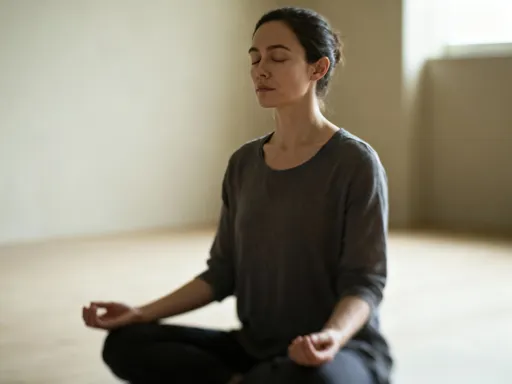
Mind-muscle connection means paying close attention to how each movement feels. Instead of going through the motions, I focus on engaging the right muscles, maintaining proper alignment, and noticing subtle shifts in tension or ease. This awareness helps correct imbalances and prevents overcompensation, which can lead to strain. For example, when doing a simple shoulder roll, I pay attention to whether one side moves more freely than the other, then adjust to create symmetry. This level of attention transforms even basic movements into therapeutic practices.
Intentional movement means choosing quality over quantity. I no longer measure success by how many repetitions I complete or how fast I move. Instead, I focus on form, breath, and smooth transitions. Each movement is deliberate, never rushed. This approach reduces the risk of injury and enhances neural feedback, helping the brain relearn efficient movement patterns. Breathing is integrated into every exercise—slow, deep diaphragmatic breaths that signal safety to the nervous system and improve oxygen delivery to tissues.
Consistency is the most important principle. I’ve found that five minutes of daily practice is more effective than an hour once a week. Small, regular efforts build neural pathways, improve muscle memory, and create lasting change. I’ve incorporated recovery habits into my daily routine: doing joint mobility exercises while waiting for the kettle to boil, stretching after a walk, or practicing breathwork before bed. These micro-moments add up, creating a lifestyle of movement rather than a separate “workout” event.
My 3 Go-To Recovery Routines (And Why They Work)
Over time, I’ve developed three simple routines that form the backbone of my recovery practice. Each takes less than 10 minutes, requires no equipment, and can be done at home. They’re designed to address common age-related challenges: morning stiffness, post-activity tension, and evening nervous system activation.
Routine 1: Morning Joint Mobility Flow. When I wake up, my body often feels stiff and compressed from hours of stillness. This 5–10 minute sequence gently wakes up the joints and prepares the body for movement. I start with neck circles, slowly rotating the head in both directions to release cervical tension. Then, I move to shoulder rolls—forward and backward—to improve scapular mobility. Next, I perform wrist and ankle circles, finger spreads, and gentle spinal twists while seated. Finally, I finish with a cat-cow stretch on the floor to mobilize the spine. This routine increases synovial fluid circulation, warms up connective tissues, and sets a mindful tone for the day.
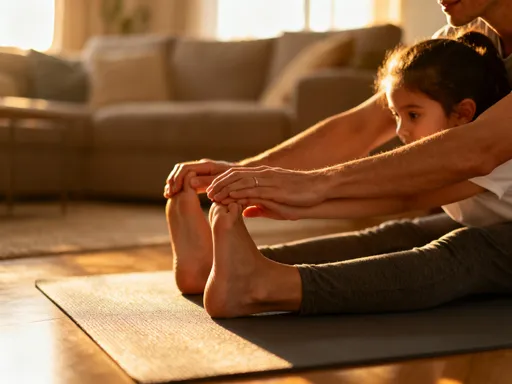
Routine 2: Post-Walk Stretching + Diaphragmatic Breathing. Walking is one of the best forms of low-impact exercise, but without proper recovery, it can lead to muscle tightness, especially in the calves, hamstrings, and lower back. After every walk, I spend 5–7 minutes stretching and breathing. I focus on dynamic stretches like leg swings and torso rotations, followed by static holds for the calves, quads, and hip flexors. While stretching, I practice diaphragmatic breathing—inhaling deeply through the nose, expanding the belly, and exhaling slowly through the mouth. This combination reduces lactic acid buildup, prevents stiffness, and activates the parasympathetic nervous system, promoting relaxation.
Routine 3: Evening Neuromuscular Reset. By evening, accumulated tension often settles in my neck, shoulders, and jaw. This routine helps release that tension and reset the nervous system before sleep. I begin with gentle isometric contractions—pressing the palms together, engaging the glutes, or tensing the feet—followed by complete release. This “contract-and-relax” technique enhances neuromuscular communication and reduces residual muscle tension. I then perform self-myofascial release using a tennis ball against the wall to gently massage tight spots in the upper back and shoulders. The session ends with a 3-minute breathwork practice: 4-second inhale, 6-second exhale, repeated for several cycles. This routine improves sleep quality and reduces next-day stiffness.
What to Expect: Real Progress Over Time
The changes I’ve experienced haven’t been dramatic or overnight. There was no single moment when I suddenly felt “younger.” Instead, the progress has been gradual, cumulative, and deeply personal. One of the first improvements was in my sleep. Within a few weeks of consistent evening breathing and release work, I noticed I was falling asleep faster and waking up less frequently during the night. Better sleep, in turn, improved my energy levels and mood.
Reduced stiffness was another early sign. Mornings became easier—no more wincing when standing up or needing 20 minutes to “loosen up.” My range of motion improved, making daily tasks like bending, reaching, and turning more fluid. Posture also shifted subtly; I became more aware of slouching and corrected it naturally. Friends and family began commenting that I “seemed lighter on my feet” or “moved with more ease,” even if they couldn’t pinpoint why.
Perhaps the most meaningful change has been in how I feel about my body. I no longer view it as something that’s failing me. Instead, I see it as responsive, adaptable, and capable of repair. The focus has shifted from appearance to function—from how I look to how I feel. I don’t expect to reverse aging, but I’ve learned that I can influence its trajectory. The goal isn’t to look 30 again, but to feel strong, balanced, and capable at every stage of life. This mindset has brought a sense of empowerment and peace that no cosmetic treatment could provide.
How to Start Safely and Stay Consistent
For anyone considering a recovery-focused approach, the most important step is to begin safely. While these practices are gentle, it’s wise to consult a healthcare provider or physical therapist, especially if you have pre-existing conditions like arthritis, osteoporosis, or chronic pain. A professional can help tailor movements to your needs and ensure you’re not aggravating any underlying issues. This isn’t about seeking permission—it’s about gathering support and information to move forward with confidence.
Starting small is key. Trying to do a 30-minute routine every day can feel overwhelming and lead to burnout. Instead, commit to just 5 minutes a day. Choose one simple habit—like morning joint circles or evening breathwork—and practice it consistently. Over time, it will become automatic. Use reminders, link it to existing routines (like brushing your teeth), or track it in a journal to build momentum. The goal is not perfection, but persistence.
Finally, redefine what success looks like. In a culture obsessed with visible results, it’s easy to dismiss progress that isn’t measurable by a scale or mirror. But the real wins in recovery training are internal: better sleep, improved mood, easier movement, reduced discomfort. These are the signs that your body is healing. Celebrate them. Keep a log of how you feel—energy levels, pain points, emotional state—and review it monthly. You’ll likely see patterns that affirm the value of your efforts. Consistency, not intensity, is the true measure of progress.
Aging with strength isn’t about fighting time—it’s about working *with* your body. Recovery training isn’t flashy, but it’s foundational. By focusing on repair, awareness, and consistency, we invest in a future where we move well, feel strong, and live fully. The best time to start isn’t tomorrow—it’s now.