Breathe Yourself Calmer: How Daily Breathing Trained My Emotions for Good
Living in a world that never slows down, emotional turbulence has become the norm—until I discovered the quiet power of breath. What started as a five-minute experiment turned into a life anchor. Over months, consistent breathing practices reshaped my stress response, sharpened focus, and brought unexpected emotional balance. This is not about quick fixes, but lasting change through a simple, science-backed habit anyone can adopt. The journey began not in a yoga studio or meditation retreat, but at home, during a moment of overwhelm—when the weight of daily responsibilities pressed down like a physical force. That moment sparked a curiosity that led to transformation, one breath at a time.
The Emotional Rollercoaster We All Ride
Many people today live on a steady diet of urgency—emails that demand instant replies, schedules packed with obligations, and an endless stream of digital notifications. In this environment, emotional instability is not an anomaly; it is almost expected. Feelings of anxiety, irritability, or sudden mood shifts are so common that they are often dismissed as normal. Yet beneath these surface emotions lies a physiological pattern that is frequently overlooked: the way we breathe. Most adults in modern societies have developed a habit of shallow, high-in-the-chest breathing, which mirrors and reinforces a state of constant low-grade stress. This type of breathing activates the sympathetic nervous system, the same system that prepares the body for fight or flight, even when no real danger is present.
What many do not realize is that emotions are not purely mental events. They are deeply intertwined with bodily processes, especially respiration. When breath becomes rapid and uneven, the brain receives signals that danger may be near, even if the only threat is a missed deadline or a traffic jam. Over time, this creates a feedback loop—stress alters breathing, and altered breathing sustains stress. Children, before they absorb the pressures of adult life, typically breathe low into the belly, a sign of natural relaxation. As we age and accumulate responsibilities, we lose this instinctive rhythm. The result is a body that remains subtly tense, a mind that struggles to rest, and emotions that feel unpredictable or hard to manage.
Everyday scenarios illustrate this connection clearly. Consider the mother who snaps at her child after a long day—her frustration may feel sudden, but her breathing has likely been shallow for hours, priming her nervous system for reactivity. Or the professional who feels a wave of panic before a meeting, despite being well-prepared. In both cases, the breath is not supporting calm; it is fueling agitation. Recognizing this pattern is the first step toward change. Emotional regulation does not have to begin with complex psychological strategies. It can begin with something far simpler: learning to breathe in a way that signals safety to the body.
Why Breath Is the Missing Link in Emotional Control
Among all the body’s automatic functions—heart rate, digestion, blood pressure—breathing holds a unique position. It operates unconsciously, yet it can also be brought under voluntary control. This dual nature makes breath a powerful bridge between the mind and the body, and between the conscious and unconscious nervous systems. When used intentionally, breathing becomes a tool to directly influence the autonomic nervous system, which governs our stress and relaxation responses. Specifically, slow, deep, and rhythmic breathing activates the parasympathetic nervous system, the branch responsible for rest, recovery, and emotional stability.
Scientific research supports this effect. Studies have shown that controlled breathing techniques can lower levels of cortisol, the primary stress hormone, within minutes. They also improve heart rate variability (HRV), a key indicator of emotional resilience. Higher HRV means the heart can adapt more efficiently to changing demands, which correlates with better stress management and emotional flexibility. In one clinical trial, participants who practiced slow breathing for just 20 minutes a day over eight weeks showed significant reductions in anxiety and improvements in mood. These changes were measurable not only through self-reports but also in physiological markers such as blood pressure and respiratory rate.
The mechanism is straightforward: when you inhale slowly through the nose, you stimulate the vagus nerve, a major pathway of the parasympathetic system. This nerve runs from the brainstem to the abdomen and plays a crucial role in calming the body. Long exhalations, especially those that are slightly longer than the inhalation, enhance this effect. Think of the breath as a dimmer switch for the nervous system—instead of being stuck in the “on” position of stress, you can gradually turn down the intensity. Unlike medications or external interventions, this tool requires no prescription, no special equipment, and no cost. It is always available, always accessible, and entirely within one’s control.
My Long-Term Journey: From Panic to Presence
For years, I believed I was simply someone who “felt things deeply.” Emotions came quickly and intensely—frustration, worry, sadness—often triggered by situations that seemed minor in hindsight. I tried various strategies to manage them: journaling, exercise, even meditation apps. While helpful to some degree, nothing created lasting change. Meditation, in particular, felt frustrating. Sitting still with my thoughts often amplified them, making me more aware of my anxiety without offering a way to release it. I would close the app after five minutes, feeling no calmer than before. It wasn’t until a friend suggested a simple breathing exercise that I found something that worked—something that didn’t require clearing the mind, but simply shifting the breath.
The first technique I tried was the 4-7-8 method: inhale for four counts, hold for seven, exhale slowly for eight. I practiced it for just three minutes before bed. The first few attempts felt awkward, and I often lost track of the count. But within a week, I noticed I was falling asleep faster. More importantly, I began to feel a subtle shift during the day—moments when I caught myself tensing up and remembered to breathe. I didn’t need to stop what I was doing; I just needed to lengthen my exhale. This small act created space between stimulus and reaction, a pause where before there had been only impulse.
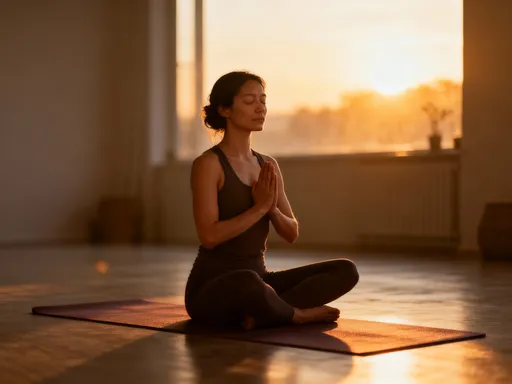
Over time, I added other techniques, like box breathing—inhale four, hold four, exhale four, hold four—especially during moments of high pressure at work. I started with just three minutes in the morning, pairing it with my coffee routine. There were days I forgot, weeks when I skipped it altogether. But each time I returned, the effect was still there, like an old friend waiting. The transformation was not sudden. There was no single moment when I became “calm.” Instead, there was a gradual accumulation of quieter moments, fewer outbursts, and a growing sense of inner steadiness. The emotional rollercoaster didn’t disappear, but I was no longer strapped into the front seat.
How to Build a Breath Practice That Lasts
The most common reason people abandon breathing practices is the expectation of immediate results. They try it once, don’t feel dramatically different, and assume it doesn’t work. But like any skill—learning an instrument, building strength, improving sleep—breath training requires consistency, not perfection. The key to long-term success is integration: weaving the practice into the fabric of daily life so that it becomes as natural as brushing your teeth. The goal is not to add one more task to an already full schedule, but to create a sustainable habit that supports well-being without demanding excessive time or effort.
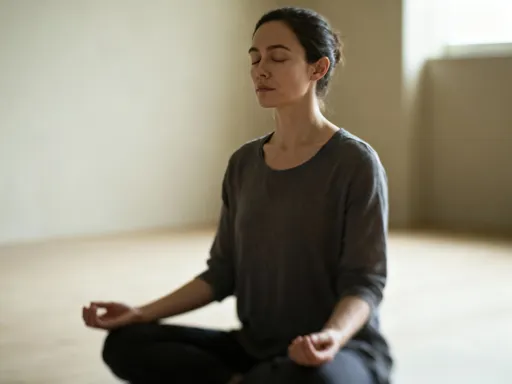
Start small. Three to five minutes a day is enough to begin. Choose a consistent anchor—something you already do every day—and attach your breathing practice to it. For example, practice while waiting for the kettle to boil, during the first few minutes after waking, or right before turning off the lights at night. These natural pauses in the day provide ideal opportunities to pause the mind as well. Use a simple technique at first, such as diaphragmatic breathing: place one hand on the chest, the other on the belly, and focus on breathing so that the lower hand rises while the upper hand stays still. This ensures you are engaging the diaphragm, which promotes deeper, more calming breaths.
To stay consistent, set gentle reminders. A sticky note on the bathroom mirror, a notification on your phone, or a chime on your smartwatch can serve as cues. Over time, these external prompts become internal habits. Some find it helpful to track their progress, not by duration or frequency, but by noticing subtle shifts—fewer moments of irritability, easier recovery from stress, or a greater sense of presence during conversations. Journaling briefly about these changes can reinforce motivation. Remember, the aim is not to achieve a perfect breath every time, but to return to the practice again and again, with kindness and patience.
Different Breathing Styles for Different Emotional States
Just as different tools are used for different tasks, various breathing techniques serve distinct emotional needs. Matching the breath to the state of mind enhances effectiveness and makes the practice more responsive to daily challenges. For anxiety or overthinking, slow diaphragmatic breathing is ideal. This involves inhaling deeply through the nose for a count of four or five, allowing the belly to expand fully, then exhaling slowly through the mouth for a count of six or seven. The extended exhale signals safety to the nervous system, helping to break the cycle of rapid, shallow breathing that often accompanies worry.
When dealing with anger or frustration, paced breathing can be especially helpful. This technique involves breathing at a rate of about six breaths per minute—inhaling for five seconds, exhaling for five seconds. Studies have shown that this rhythm synchronizes heart rate and respiration, a state known as respiratory sinus arrhythmia, which promotes emotional regulation. Practicing this for just two minutes during a heated moment can reduce the intensity of the emotional response and create space for clearer thinking. It is not about suppressing anger, but about preventing it from escalating into reactivity.
For moments of low energy or mild depression, an energizing breath such as bhastrika (also known as “bellows breath”) may be beneficial. This involves rapid, forceful exhalations through the nose, powered by the diaphragm, with passive inhalations in between. Done for 30 to 60 seconds, it increases oxygen flow and stimulates the nervous system, creating a natural lift in mood and alertness. However, it should be avoided by those with high blood pressure or cardiovascular conditions. As with all techniques, listen to your body. If any method causes dizziness or discomfort, return to normal breathing and try a gentler approach. The goal is not to push limits, but to restore balance.
The Ripple Effects: What Changes Beyond Emotions
One of the most surprising aspects of long-term breath training is how its benefits extend far beyond emotional regulation. As the nervous system becomes more balanced, other areas of life naturally improve. Sleep, for instance, often deepens and becomes more restorative. Many people report falling asleep faster and waking less during the night, likely due to reduced nighttime cortisol levels and a calmer mind. Improved sleep, in turn, enhances mood, cognitive function, and resilience to daily stressors, creating a positive feedback loop.
Concentration and mental clarity also tend to increase. When the mind is no longer clouded by low-grade anxiety or mental fatigue, focus becomes sharper. Tasks that once felt overwhelming become more manageable. This is particularly valuable for those juggling multiple roles—caregiver, professional, partner—where mental bandwidth is constantly in demand. The ability to stay present during conversations, complete tasks without distraction, and make decisions with greater calm are all indirect but meaningful outcomes of breath practice.
Relationships often improve as well. With greater emotional regulation comes increased patience, active listening, and empathy. Small conflicts that might have escalated in the past are now met with pause and perspective. Family members may notice the change before the practitioner does—commenting on a calmer tone of voice, a slower pace, or a more attentive presence. These shifts are not dramatic, but they are profound. They reflect a deeper alignment between inner state and outward behavior. Over time, the cumulative effect resembles compound interest: small, consistent investments in breath yield growing returns in overall well-being.
Making Breath Your Lifelong Emotional Ally
Sustaining a breath practice over years requires a shift in mindset. It is not a quick fix to be used only in crisis, nor a performance to be perfected. It is a daily act of self-care, a quiet commitment to one’s emotional health. The most successful practitioners are not those who never miss a day, but those who return to the breath again and again, without judgment. There will be days of forgetfulness, periods of busyness, and moments when breathing feels impossible in the face of overwhelming emotion. These are not failures—they are part of the journey.
Self-compassion is essential. Just as you would not scold a child for forgetting to brush their teeth once, do not criticize yourself for missing a breathing session. The practice grows stronger not through rigid discipline, but through gentle persistence. Over time, the breath becomes a trusted companion, a source of grounding in uncertainty. It does not eliminate life’s challenges, but it changes your relationship to them. You begin to meet stress not with resistance, but with awareness. You learn to pause before reacting, to breathe before speaking, to listen before deciding.
In a world that values speed, productivity, and constant connection, choosing to breathe slowly is a quiet act of resistance. It is a declaration that your inner peace matters. It is a way of saying, without words, that you are choosing presence over autopilot, calm over chaos, resilience over reactivity. And the most beautiful part is that it costs nothing, requires no special training, and can be done anywhere. Whether standing in line, sitting at a desk, or lying in bed, you can return to your breath—and in doing so, return to yourself. That simple, profound act may be the most powerful emotional training you ever undertake.