Glow from the Inside: How Real Movement Transformed My Skin
Ever noticed how a post-workout glow lasts longer than just five minutes? I didn’t either—until my skin started clearing up after consistent movement. No crazy routines, no miracle creams. Just walking, stretching, sweating. Turns out, exercise does more than shape your body—it fuels your skin. Blood flow, stress reduction, detox through sweat—it all adds up. This isn’t about perfection; it’s about showing up and letting your body do the rest. What began as a simple effort to feel stronger quietly transformed my complexion in ways no serum ever had. The radiance wasn’t just surface-level—it was a reflection of what was happening beneath.
The Skin-Exercise Connection: More Than Just Sweat
At first glance, the idea that movement could clear skin might sound like wellness folklore. But science reveals a strong biological link between physical activity and skin health. When you move your body, your heart pumps faster, increasing circulation throughout your system. This enhanced blood flow carries oxygen and vital nutrients—like vitamins A and C, zinc, and antioxidants—directly to skin cells. These nutrients support collagen production, repair damaged tissue, and help maintain the skin’s natural barrier. At the same time, improved circulation aids in removing metabolic waste and toxins through the lymphatic system, which can reduce dullness and prevent clogged pores.
One of the most common misconceptions is that sweat causes acne. While it’s true that sweat mixed with dirt, bacteria, and oil can contribute to breakouts if left on the skin too long, sweat itself is not the enemy. In fact, sweat contains natural antimicrobial peptides like dermcidin, which help protect the skin from harmful microbes. The key is not avoiding sweat but managing it wisely. Showering within 30 to 60 minutes after a workout, wearing breathable fabrics, and using non-comedogenic skincare products can turn sweat into a benefit rather than a burden. Movement doesn’t harm skin—it supports it, when paired with simple, thoughtful habits.
The connection between exercise and skin is not just physical but also cellular. Regular physical activity has been shown to increase the production of heat shock proteins, which help protect skin cells from stress and aging. Additionally, exercise stimulates autophagy—the body’s natural process of clearing out damaged cells and regenerating new ones. This cellular renewal contributes to smoother, more resilient skin over time. The glow you see after a workout is not just from flushed cheeks; it’s a sign of your skin functioning at a higher level.
My Journey: From Breakouts to Natural Radiance
For years, I struggled with uneven skin and frequent breakouts. My bathroom cabinet was filled with products promising quick fixes—exfoliators, spot treatments, serums with unpronounceable ingredients. I followed complex 10-step routines and spent more than I cared to admit on items that offered temporary results at best. What I didn’t realize was that I was treating symptoms, not causes. My skin wasn’t just reacting to surface dirt; it was signaling deeper imbalances related to stress, digestion, and circulation.
The turning point came during a particularly stressful season. Long hours, poor sleep, and emotional strain triggered a wave of inflammation across my face. Out of frustration, I decided to shift my focus from what I was putting on my skin to what I was doing for my body. I started small—just 20 minutes of walking each day. Within two weeks, I noticed subtle changes: less puffiness, more even tone. Encouraged, I added gentle yoga and short home workouts. I wasn’t chasing a six-pack; I was simply moving to feel better.
Over the next three months, my skin transformed. Breakouts became rare. My complexion looked brighter, smoother, more alive. I didn’t stop using skincare products entirely, but I simplified my routine dramatically. I no longer needed heavy concealers or drying treatments. The changes weren’t instant, but they were lasting. Most importantly, I felt more connected to my body. Movement became less about appearance and more about honoring what my body could do. The glow I saw in the mirror was not just skin deep—it was a reflection of consistency, self-respect, and internal balance.
Why Movement Matters: The Science Behind the Glow
Understanding why exercise improves skin begins with the cardiovascular system. When you engage in physical activity, your heart rate increases, pumping oxygen-rich blood through your arteries and capillaries. This surge in circulation delivers essential nutrients directly to the dermis and epidermis, the layers responsible for skin texture, tone, and healing. Oxygen is critical for cellular metabolism—without it, skin cells become sluggish, leading to dullness and slower recovery from damage. Exercise ensures that skin cells are well-fed and functioning efficiently.
Another powerful factor is the role of cortisol, the primary stress hormone. Chronic stress leads to elevated cortisol levels, which can trigger inflammation, disrupt hormone balance, and increase sebum production—key contributors to acne and sensitivity. Regular physical activity helps regulate cortisol by promoting the release of endorphins, the body’s natural mood stabilizers. Studies have shown that even moderate exercise, such as brisk walking, can significantly reduce perceived stress and lower cortisol over time. As stress decreases, so does inflammation, leading to calmer, clearer skin.
Research also supports the long-term benefits of movement on skin structure. A 2015 study published in the Journal of Investigative Dermatology found that older adults who engaged in regular aerobic exercise exhibited younger-looking skin at the cellular level. Their skin showed thicker dermal layers and more collagen compared to sedentary peers. Scientists believe this is due to increased production of myokines—proteins released by muscles during contraction—that promote tissue repair and anti-aging effects. These findings suggest that exercise doesn’t just improve skin temporarily; it may actually slow the visible signs of aging from within.
Types of Exercise That Actually Help Your Skin
Not all workouts affect the skin in the same way. The best routines for skin health are those that promote circulation, reduce stress, and avoid excessive inflammation. Low-impact activities like walking, yoga, and stretching are excellent starting points. Walking, especially in natural light, boosts circulation while exposing the body to vitamin D, which supports immune function and skin healing. Yoga combines movement with breathwork, reducing cortisol and improving lymphatic drainage—key for reducing puffiness and detoxification.
Moderate-intensity exercises such as cycling, swimming, or dancing offer a balanced approach. These activities elevate the heart rate enough to stimulate blood flow without overtaxing the body. Swimming, in particular, is gentle on joints and promotes full-body circulation. The humidity of a pool environment can also help maintain skin hydration, though it’s important to rinse off chlorine afterward to prevent irritation. Dancing, whether in a class or at home, combines cardiovascular benefits with emotional release, making it a holistic choice for both mental and skin health.
High-intensity workouts like interval training or heavy strength training can also benefit the skin, but they require more careful post-exercise care. These activities generate more sweat and can temporarily increase oxidative stress if recovery is inadequate. However, when paired with proper hydration, rest, and nutrition, they contribute to hormonal balance and muscle tone, which support skin firmness. The key is moderation and listening to your body. For many women over 30, a mix of low- and moderate-intensity movement provides the most sustainable and skin-supportive results without triggering irritation or burnout.
Avoiding the Pitfalls: Skincare Mistakes Active People Make
Even with the best intentions, common habits can undermine the skin benefits of exercise. One of the most frequent mistakes is post-workout neglect—failing to cleanse the skin after sweating. While sweat has protective properties, leaving it on the skin for hours allows it to mix with bacteria and oils, potentially clogging pores. Waiting too long to shower or wipe down can lead to breakouts, especially around the forehead, chest, and back. The solution is simple: cleanse within an hour of finishing your workout using a gentle, pH-balanced cleanser.
Another common error is over-cleansing or using harsh products immediately after exercise. Stripping the skin of its natural oils can disrupt the moisture barrier, leading to dryness, redness, and increased sensitivity. Instead of aggressive scrubbing, opt for a mild wash and follow with a hydrating toner or serum. Ingredients like hyaluronic acid and niacinamide help restore balance without irritation. It’s also wise to avoid applying heavy makeup right after a workout, as this can trap sweat and debris in pores.
Clothing choices matter too. Tight, non-breathable fabrics made from synthetic materials can trap moisture and cause friction, leading to irritation or fungal acne. Choosing loose-fitting, moisture-wicking clothing made from natural fibers like cotton or bamboo allows the skin to breathe. Wearing a clean workout outfit each time—and washing gear regularly—further reduces the risk of bacterial buildup. Finally, staying hydrated before, during, and after exercise supports both performance and skin plumpness. Dehydration can make fine lines more visible and slow down recovery, so carrying a water bottle should be a non-negotiable part of any fitness routine.
Building a Skin-Friendly Fitness Routine (No Gym Required)
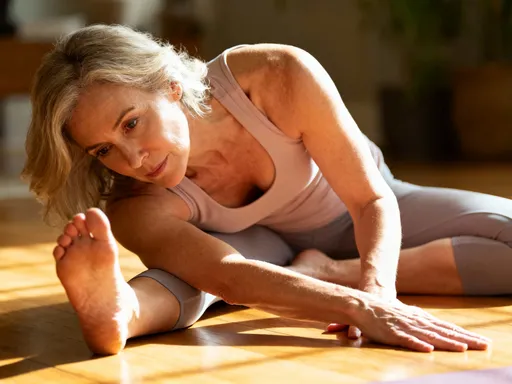
You don’t need expensive equipment or a gym membership to build a routine that supports your skin. The most effective plans are those that fit seamlessly into daily life and can be maintained long-term. Start by integrating movement into existing habits. For example, begin your morning with five to ten minutes of stretching—simple movements like cat-cow, shoulder rolls, and forward folds can wake up the body and stimulate circulation. Follow this with a short walk, even if it’s just around the block or while making phone calls.
During the workday, take a 10- to 15-minute walk at lunchtime. This not only boosts blood flow but also provides mental clarity and reduces afternoon fatigue. If you work from home, set a timer to stand and move every hour—try a few squats, a quick dance break, or a few minutes of seated spinal twists. These micro-movements add up and keep your circulation active throughout the day.
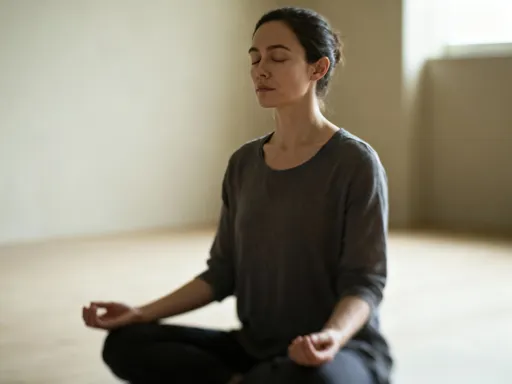
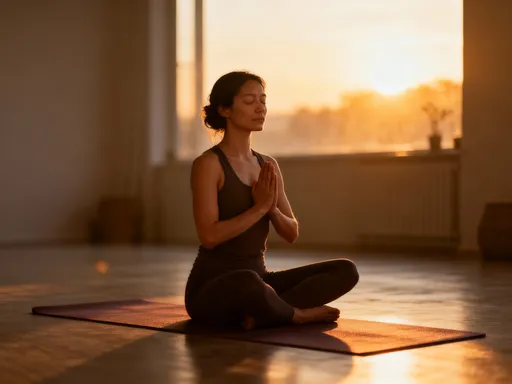
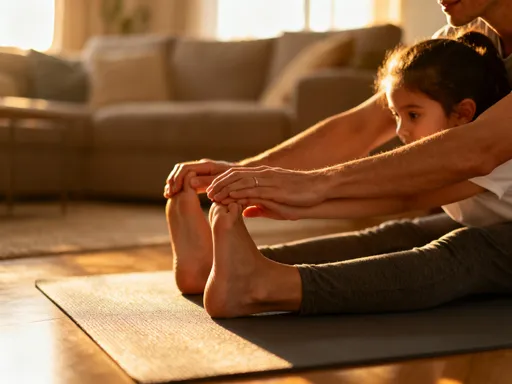
In the evening, wind down with gentle mobility work or restorative yoga. Poses like child’s pose, seated forward bend, and legs-up-the-wall promote relaxation and lymphatic drainage, helping to reduce puffiness and support overnight repair. A consistent weekly plan might look like: 20-minute walks five days a week, two yoga sessions, and one longer outdoor activity like hiking or biking on the weekend. The goal is not to push yourself to exhaustion but to create a rhythm of gentle, regular movement that your body—and skin—can thrive on.
Beyond the Workout: Lifestyle Synergy for Lasting Results
Exercise alone is powerful, but its effects multiply when combined with other healthy habits. Sleep is one of the most critical partners in skin health. During deep sleep, the body repairs damaged cells, produces collagen, and regulates hormones. Poor sleep increases cortisol, which can trigger breakouts and accelerate aging. Aiming for seven to eight hours of quality rest each night enhances the benefits of movement and allows the skin to fully recover.
Hydration is equally essential. Water supports every bodily function, including circulation and detoxification. When you’re well-hydrated, your blood flows more efficiently, delivering nutrients to the skin and carrying away waste. Dehydration, on the other hand, can make skin look dry, tight, and dull. While the “eight glasses a day” rule is a helpful guideline, individual needs vary. A better indicator is urine color—pale yellow suggests adequate hydration.
Nutrition also plays a foundational role. A diet rich in colorful vegetables, healthy fats, lean proteins, and whole grains provides the building blocks for strong, radiant skin. Antioxidant-rich foods like berries, leafy greens, and nuts combat oxidative stress caused by environmental factors and exercise itself. Omega-3 fatty acids from sources like salmon, chia seeds, and walnuts help maintain the skin’s lipid barrier, reducing dryness and inflammation. When paired with movement, these dietary choices create a powerful synergy that supports skin from the inside out.
Small, consistent choices compound over time. Drinking an extra glass of water, choosing a walk over scrolling, opting for a nourishing meal—these decisions may seem minor, but together they shape your overall wellness and, by extension, your skin. Glowing skin is not the result of a single product or extreme routine; it’s the visible outcome of a life lived with care and balance.
Let Your Skin Thank You
The journey to healthier skin doesn’t begin in a skincare aisle—it begins with movement. Real, sustainable change comes not from punishing workouts or miracle cures, but from showing up for your body in simple, consistent ways. Walking, stretching, breathing, sweating—these everyday actions fuel circulation, reduce stress, and support cellular renewal. The glow you see is not just cosmetic; it’s a sign that your body is functioning well on a deeper level.
True radiance is not about perfection. It’s about progress. It’s about choosing to move even when you’re tired, to hydrate even when you’re busy, to rest even when there’s more to do. These acts of self-care build resilience—not just in your skin, but in your entire being. Exercise is not punishment for how you look; it’s a gift to how you feel. When you move with intention and kindness, your skin responds with clarity, strength, and light.
So let your skin thank you. Thank you for walking instead of scrolling. Thank you for stretching instead of sitting. Thank you for choosing vitality over vanity. Because the most beautiful skin isn’t the one that looks flawless in filtered photos—it’s the one that reflects a life lived with care, movement, and purpose. That kind of glow doesn’t come from a bottle. It comes from within, one step at a time.